
Once again with us Marcela, this time with a complete review over the Australian capital, the beautiful Canberra. Lots of places to visit and with many cool things to do, just perfect for family holidays :)
Visiting Australia's capital is a great idea for a fun family holiday. There is so much to see and do, the kids will love it. Once you've booked your accommodation, you may want to plan out some of the things you'll want to check out before you go. Here listed are a few you won't want to miss.
The Parliament House - This is a great way to spend a few hours while visiting Canberra. Once again this is a great way to show your kids how big decisions are made in our country. You may even get the chance to watch the Parliamentarians in a session and view from the galleries.

Visit the AIS - The AIS is a great activity for the whole family. You can see where our sporting champions live and train, and get a great behind-the-scenes view of the AIS and find out what it really takes to be an elite athlete. You may even catch a glimpse of one of our top swimmers gymnasts in training while taking the 90 minute tour.
The National Gallery of Australia - The National Gallery is definitely worth a visit whether you are an art lover or not. Being the National Gallery of the entire country means that this gallery has exhibitions from across the country and the world, which may interest even the most uninterested person in art. Many people make the trip to Canberra from all over the country each year just to view the exhibitions that will be shown nowhere else in the country. 
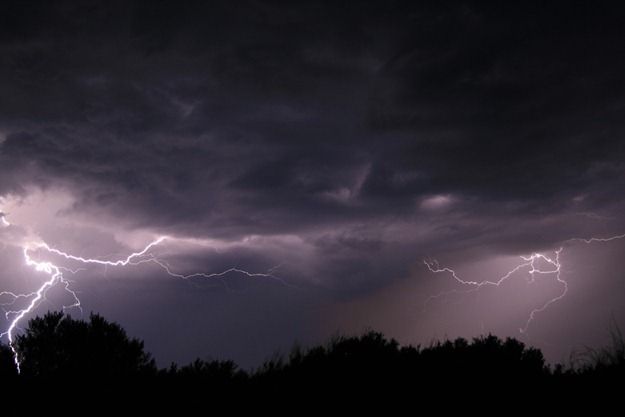
The Questacon - Questacon is the National Science and Technology Centre. It has a number of great interactive exhibits on at any one time, making the whole experience fun and interactive for kids. Bellow one of the most popular experiments, the Lightning simulator.
The Mint - The Mint is a fascinating place for both kids and adults. It has a range of interesting exhibitions running and offers kids a chance to learn about the process of how money is created and how it circulates. The Royal Australian Mint is the sole supplier of Australia's circulated coinage.
Cockington Green - This is a great place to take the kids. It has miniature displays of monuments and world famous land marks such as Stonehenge. There is a lovely peaceful Heritage Rose Walk with beautiful gardens, and heaps of play areas for the children. Take the kids on the stream train ride then relax with a picnic in the gardens. A great way to spend a day with the family. 
Canberra really does have some wonderful places to visit that the whole family can enjoy. Being the nation's capital, it truly is a fascinating place with loads to see and do, some activities just a short stroll from the cities major hotels and apartments.
I hope our list of great family activities has given you some ideas on what you and your family can enjoy when next taking a trip to Canberra. From historical sites to places just for fun, there is definitely something for everyone.
Friday, March 30, 2012
Great family holiday activities to do in Canberra

Wednesday, March 21, 2012
Six weeks in Australia – an itinerary from Sydney
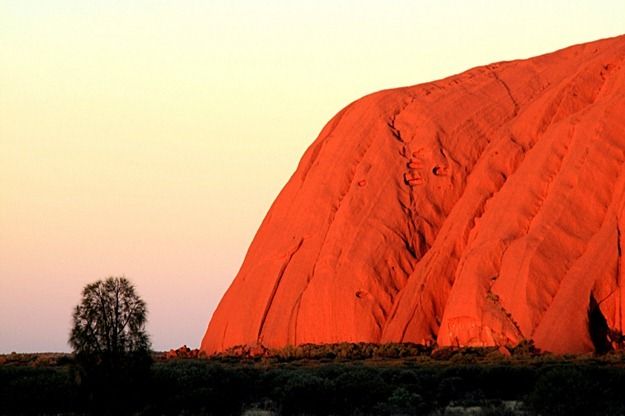
In this post, the second on travelling to Australia for around six weeks, I propose an itinerary for travellers starting their adventure in Sydney.
This is partly to answer a question posed to me recently by some friends who are doing this very thing, and secondly because I think it’s a fairly common trip to take.
If you missed the first post, that one covers things to consider like transport options and the climate. This one focuses on the nitty gritty of the actual trip, in weekly itinerary form, for a six week trip, highlighting some of the most amazing parts that this country has to offer. Enjoy!
A six week road trip from Sydney to the Red Centre
I’m going to go with a road trip for this itinerary because I think it’s the best way to see the country over a six week period. Normally I’d advise saving money by buying a vehicle and then selling it at the end of the trip - but this might be a bit much hassle for a trip lasting only six weeks. If you’re confident in your salesmanship though, then go for it. It should work out cheaper!

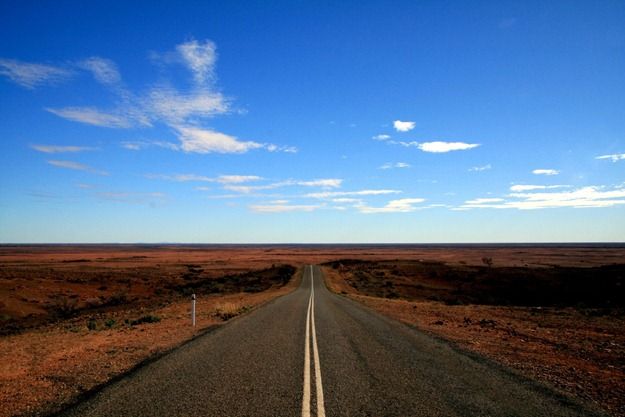
My favourite part of Australia has to be the vast and incredible nothing that is the outback.The endless open road, the scorched earth look – there is nothing like it. So a road trip to the middle to visit the world’s most famous rock would be my perfect trip
But that’s not to say in your six weeks you couldn’t do a bit more than see the outback. Here’s what I’d do over that six weeks:
Week one – Sydney, Blue Mountains, Canberra.
Sydney is one of Australia’s most iconic cities, so any trip to Australia that starts in Sydney needs to include some time in this place. You’ll want an absolute minimum of two days – partly because there is so much to see, and partly because you’ll probably be recovering from jet lag!
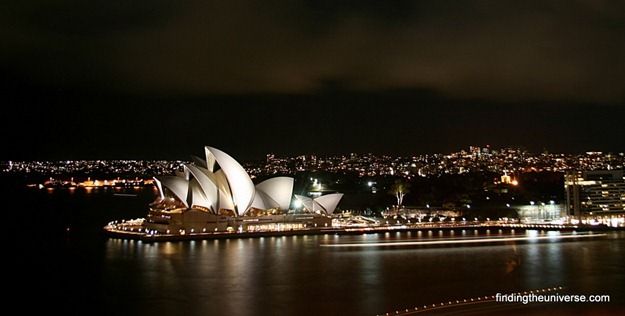
After some time spent exploring Sydney, you’ll want to head out into the country side. So saddle up your ride, pack the tent (or book a hostel / hotel, whichever works for you!), and head east. First stop, the Blue Mountains.
Located just about 100km west of Sydney, the Blue Mountains are a really incredible collection of mountain mesa’s and deep forested valleys, with great views and excellent hiking opportunities. The town of Katoomba is an excellent base from which to explore the area.
From here I’m going to recommend finishing off the first week or so with a trip down to Australia’s capital, just to take in the weirdness that is Canberra. Here you can wander perplexed around the highly designed city, pop into parliament, and wonder quite why anyone would want to visit.

Distance covered, aprox 450km. Total trip distance, aprox. 450km.
Weeks two and three – Canberra to Port Fairy
From Canberra I’d head south down to the coast via the wonderful alpine scenery of the Kosciuszko National Park. This is home to Australia’s highest mountain, and keen hikers might want to head deeper into the park for more exploration, either of this park or the neighbouring Snowy River National Park. Then it’s time to hit Australia’s southern coastline.
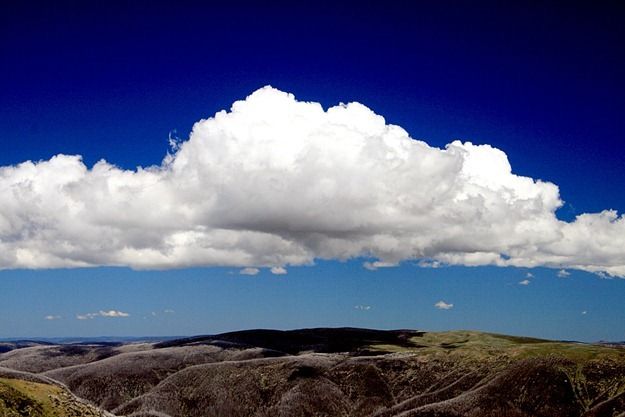
Along the coast to Melbourne there is stunning coastal scenery, including the gorgeous ninety mile beach. Of particular interest on this route is the Wilsoms Promontory National Park, home to some really quite fabulous white sandy beaches, scenery and hiking. Worth a couple of days of your time, at least.
From here it’s a quick trip up to Melbourne, Victoria’s capital city and a rival with Sydney for coolest Australian city. Here you’ll find great food, great bars, and a relaxed laid back style.
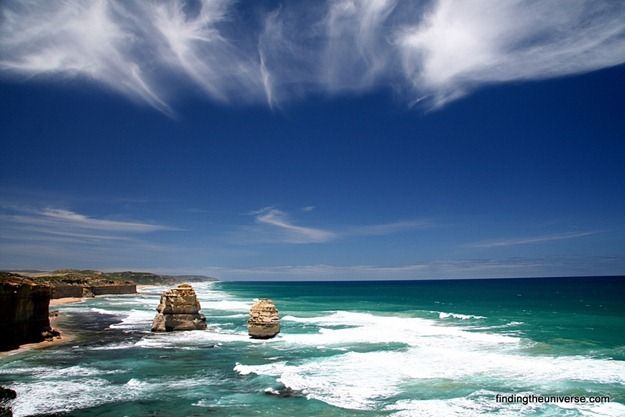
If you can tear yourself away from Melbourne, it’s time to take in one of the world’s greatest road trips: the Great Ocean Road. This runs along the Victorian coastline from just outside Melbourne to Port Campbell.
Here you will find funky surfer seaside towns, incredible coastal views such as the twelve apostles, lighthouses and magnificent coastal rainforest. Little wonder that this stretch of road regularly makes top ten lists of the worlds greatest road trips.
Distance covered, aprox 1200km. Total trip distance, aprox 1650km)
Week four – Port Fairy to Broken Hill
Done with the great ocean road, it is time to turn your nose back inland and head for the outback town of Broken Hill. On the way, I’d recommend stopping off in the Grampians National Park for some rather fine bush walking and scenery.
North of Halls Gap you’ll head up towards the town of Mildura, where a great deal of Victoria’s fruit production takes place. It also used to be home to the longest bar in the world, but that is long gone. You will also pass the Murray Sunset National Park, where you will start getting used to seeing the kind of sunsets that only outback Australia can produce. Enjoy!
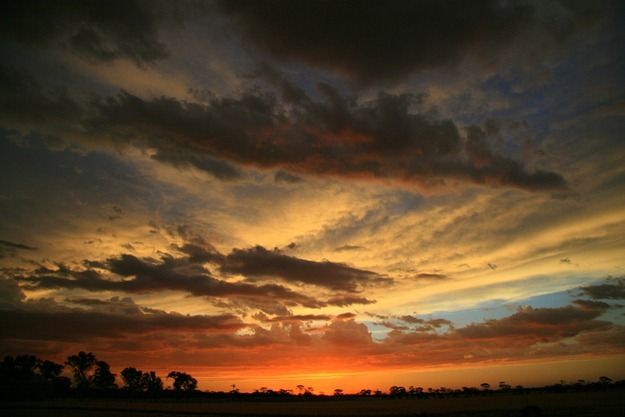
The stretch of road north of Mildura to Broken Hill will introduce you to properly arid outback scenery. We’re talking brown / red dirt, dried out lake beds and endlessly blue skies. This is also mining country, so the odd giant mining pit will loom.
The city of Broken Hill was a real frontier environment back in the day, and it is Australia’s oldest lived-in mining city. Mining is really big here, which you’ll notice very quickly – even the street names are all mineral themed.
Since you’re at Broken Hill already, you should take a side trip to the ghost town of Silverton, about 25km away. Here you’ll find a small artistic community, and the remains of what was once a thriving mining village, now long abandoned. You’ll also find an excellent pub, which happened to be the filming location of Mad Max 2. Totally worth the trip.
Distance covered, aprox 900km. Total trip distance, aprox 2550km)
Week five – Broken Hill to Coober Pedy
The last couple of weeks of this trip require quite a bit more driving. At this point in the adventure, the scale and vastness of Australia’s outback become apparent, as the highlights along the route become further and further apart.
Still, a road trip in Australia is always going to involve some driving, right? Practice your outback wave (one finger raised off the wheel will suffice), watch out for kangaroos, and pop some tunes on the stereo. Life, you will realise, doesn’t get much better than this.
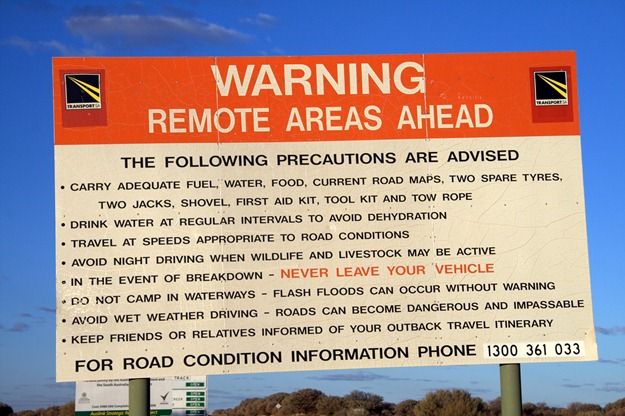
From Broken Hill you have a couple of options, depending on how adventurous you are feeling, to get to Coober Pedy. You can head across to Port Augusta and then up the nice and safe Stuart Highway, or you can go properly outback, read the terrifying warning signs, and take on the Oodnadatta Track.
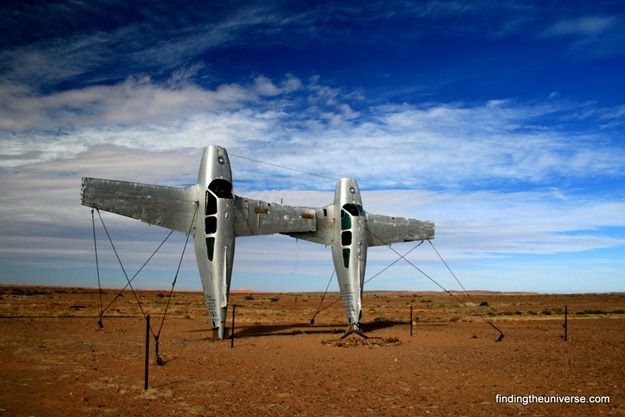
If you and your vehicle are up to it, then I can highly recommend the latter option. This is a classic bit of outback driving which will give you an unforgettable adventure. On the way you will be able to experience the beautiful Flinders Ranges, take a side trip to the Mars like terrain of Arkaroola, and stop off at the vast dried out lake bed of Lake Eyre. You’ll even see the weirdness of Planehenge at the Mutonia Sculpture Park. Totally worth it.
Finally, after covering a whole lot of road, you’ll pull in to Coober Pedy, the opal mining town where everyone lives underground. This has to be seen to be believed. It’s also close to some seriously funky local attractions, including the Moon Plain, and the Painted Desert, both of which are worth the extra bit of driving.
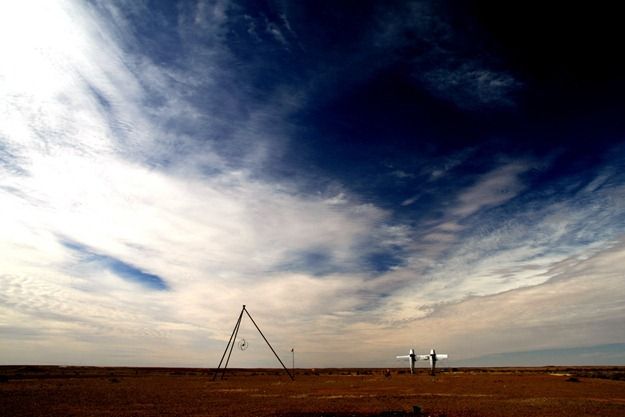
Distance covered, aprox 1150km. Total trip distance, aprox 3700km)
Week six – Coober Pedy to Alice Springs
From Coober Pedy you can either head back on to the Oodnadatta Track and keep on experiencing the wonder of outback dirt road driving, or you can plough on up the Stewart Highway. This section of the road trip really just requires a lot of driving, so the Stewart Highway may be the best option at this point.
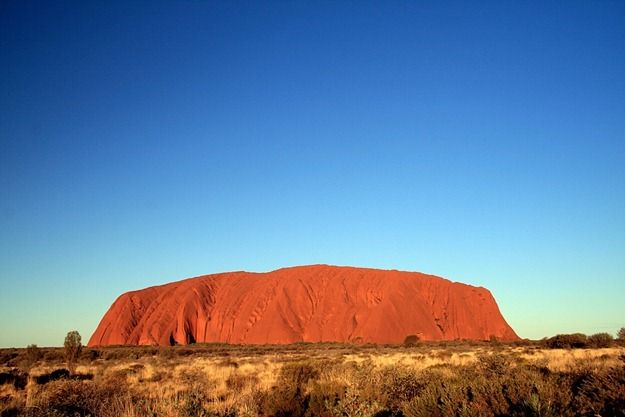
The highlights along this section of road become few and far between – you are basically aiming for Uluru, and you need to cover ground to get there. I can recommend stopping off at a roadhouse for a night, though, to experience true outback hospitality with a whole host of characters, from cowboys to truckers. You’ll likely have a night you’ll never forget… if you can remember it that is.
A great deal (seriously great) of driving later, and you will arrive at the world’s most amazing rock, where you will suddenly find yourself surrounded by people, which will come as a bit of a shock after a couple of weeks of driving and barely seeing another soul.
Uluru is an incredible place, although you will not be experiencing it alone. I can recommend quelling the urge to run screaming from the hordes of tourists, of which you are one, and just take it all in. Do the sunset watching thing, walk around the rock (or up it, if you don’t mind ignoring 40,000 years of aboriginal tradition), and enjoy yourself. Just make sure you also head over to the Olgas too, the other, less well known rock formation in the area.
Then, once you’re all rocked out, it’s back onto the highway for the final stretch of driving to Alice Springs. On the way up, you really should take the time to stop off at Kings Canyon, which is another spectacular bit of outback geology. Then, arrive into Alice, from where you can explore the amazing MacDonnell ranges, and this road trip ends.
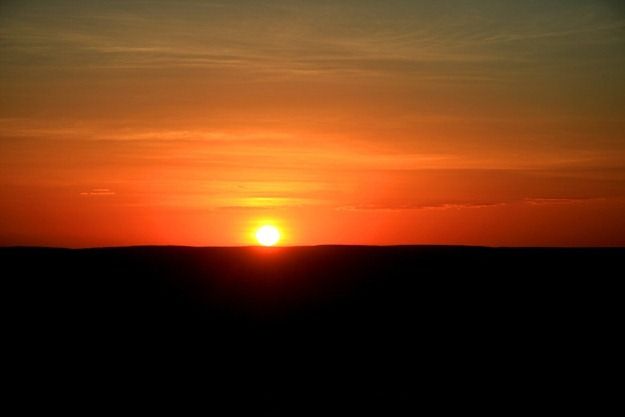
Distance covered, aprox 1250km. Total trip distance, aprox 4950km)
Some notes
This trip describes an ideal scenario where you can hire a vehicle in Sydney, finish your trip in Alice Springs and fly home. It should be pointed out that one way rentals usually carry a supplement over a return trip, as someone has to return the vehicle to where it started from.
If you go for the purchasing option, you may be better off continuing up to Darwin or even across to Cairns and trying to sell there, although for the distances involved, this may not be worth the added expense. Maybe you can find someone looking to do something similar in reverse, and sell the car to them. Or, find a very dear friend willing to lend you a car ;)
A trip of this magnitude is always going to need some planning and forethought. However, I believe that this route really showcases some of Australia’s most magnificent scenery, from rainforest to beaches to outback, in a slightly compressed timescale. If you have the funds and will, then it’s totally worth doing!
Finally, here’s a Google Map of this route for your to peruse:
As always, I’d love you to share your thoughts on this post in the comments below? Have you been to Australia, or are you planning a trip like this? Would you consider driving 5000km in six weeks? Share away! Otherwise, don’t forget to check out my whole section of posts on travelling in Australia to give you some more inspiration!
Monday, March 19, 2012
Planning a trip to Australia - things to consider
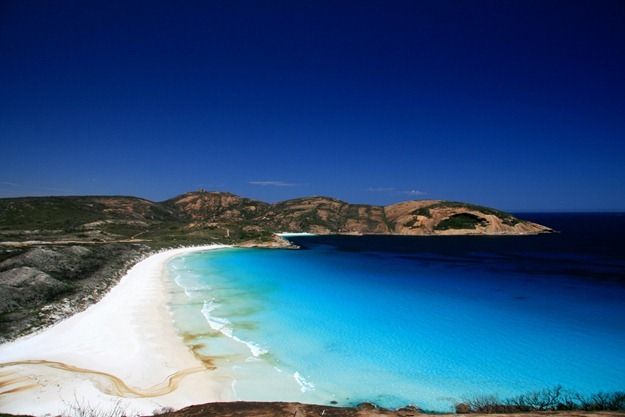
I’ve had the privilege to have two quite amazing Australian holidays in my life – the first being a two week road trip around the state of Victoria, the second being a year long adventure that took in 60,000kms of this magnificent country.
But what if I had less than the luxury of a year, and more than just two weeks? What, if like some friends of mine soon will, I had about six weeks, and I happened to be flying into Sydney? Then what would I do?
Since this was the question that some friends of mine recently posed me, I decided to run a couple of blog posts on the subject. This post will deal with the things you need to think about when planning a trip, including the size of the place, the transport options and the weather.
The next post (which you can read here) will propose an itinerary, starting from Sydney, that I believe is worth considering for a six week adventure. I may follow up with further itinerary ideas in subsequent posts if you like the idea. For now though… lets tackle the things to consider!
Things to consider – size, cost, weather
Size!
Firstly, Australia is big. One of my favourite novels of all time, written by the late Douglas Adams, tries to explain how big space is. Replace “space” with “Australia” in the following quote, and you get roughly the same effect:
“Space is big. You just won't believe how vastly, hugely, mind- bogglingly big it is. I mean, you may think it's a long way down the road to the chemist's, but that's just peanuts to space.”
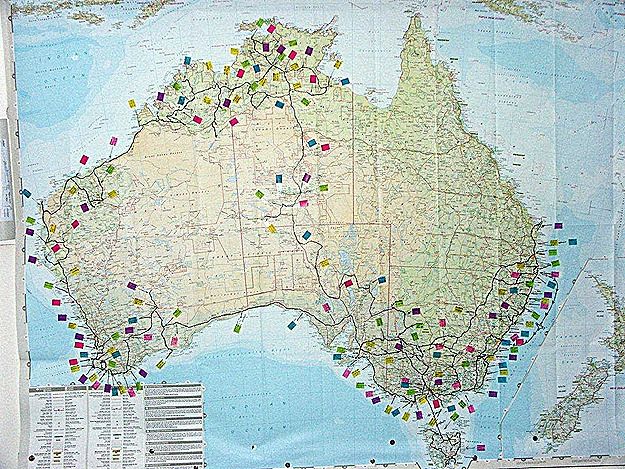
So whilst I have heard of people who have successfully circumnavigated Australia in around six weeks, what that meant was they spent a lot of time having an incredibly long car journey. Trying to fit everything in in six weeks is really not a reasonable idea. This was what my 60,000km trip ended up looking like.. and see how much I still didn’t manage to do in a year!
Cost!
Budget is a definite consideration. Australia is not a cheap destination by any stretch of the imagination, made even less so by, at the time of writing, the very strong Australia dollar.
My year long trip cost me in the region of £12,000 – at today’s exchange rate that same trip would have cost me closer to £18,000. Of course, budget is a personal consideration, but it needs to be considered all the same!
Weather (or when to go)!
Because Australia is so big that it is both tropical and temperate, the weather can play a serious factor in any trip. The southern half of the country has an essentially European climate, with four seasons. Summer take place around January and Winter in July.
The northern half of the country on the other hand has two main seasons, known as the Wet and the Dry. These last about six months each. The Wet runs from around October through to March, and is, you guessed it, characterised by a lot of rain. It is also, oddly, hotter than the dry, with uncomfortably high levels of humidity.
The Dry is a better time to visit, mostly because there is less water everywhere and things like roads are likely to be actually open. This runs through from March to October. The later on in the dry, the hotter and drier it becomes, before the whole things bursts and you get the Wet again.
Transport options
So now we know that Australia is big, the weather is varied, and it isn’t necessarily that cheap. How should you get around?
Self drive!
My preferred option for seeing a country is to get a vehicle and use it to get around. This allows for so much more flexibility than any other options, in that I can make everything up as I go along without having to worry about timetables or pick up points.
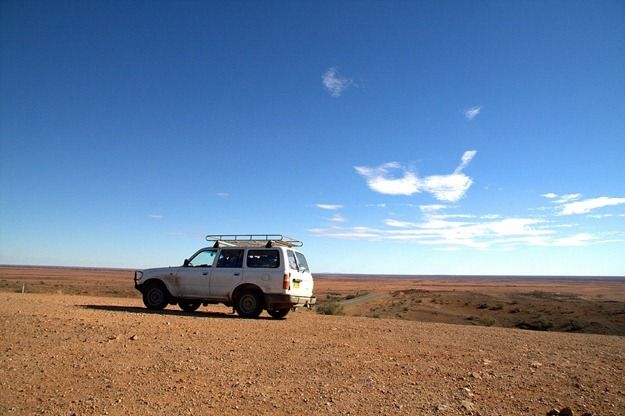
The downside of course is that renting (or buying) a vehicle is often one of the more expensive options available to the traveller, particularly once you factor in the distances in Australia and the cost of fuel. Personally though, I think it is worth it, particularly if you are travelling in a group and can split the costs.
Bus / Train!
Australia is fairly well served by long distance bus networks that will get you around the country and between the major cities and destinations. Trains are also available to take you through the middle, up the east coast, or across the Nullarbor Plain from Adelaide to Perth, on routes that are steeped in history.
These two options are not terribly cheap, and you can’t just stop when you feel like it to check out an interesting tree. But if you are in a hurry and want to see and lot of landscape flashing by, at a price which is likely cheaper than a car and fuel, then they are pretty good options.
Plane!
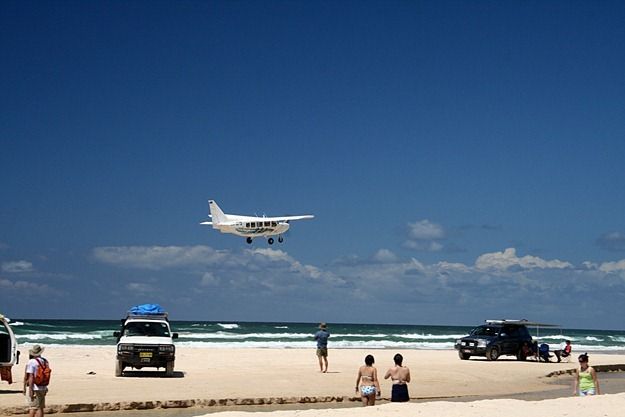
For a short term holiday in Australia, or if you are just keen on visiting “the rock” without the endless outback drive, then the internal flight network is decent, and remarkably affordable due to the rise in low cost carriers.
However, obviously, you have even less flexibility in terms of stopping off in funky little places than with any of the other options, so unless you really need to get from one side of the country to the other in a hurry (maybe at the end of a one way trip), then it’s not an option I’d generally recommend if you want to actually see much of Australia.
Dangers
Australia is a safe country to visit for the most part, although it does seem to have somewhat more than its fair share of deadly creatures. It is unlikely that you will encounter any of these when you are there, but being up to speed on things like treating snake bites, and which beaches are home to jellyfish or sharks is a good idea to avoid unnecessary risk.
Also, stay away from places likely to be inhabited by salt water crocs when in the northern regions, as they don’t make for great swimming partners.
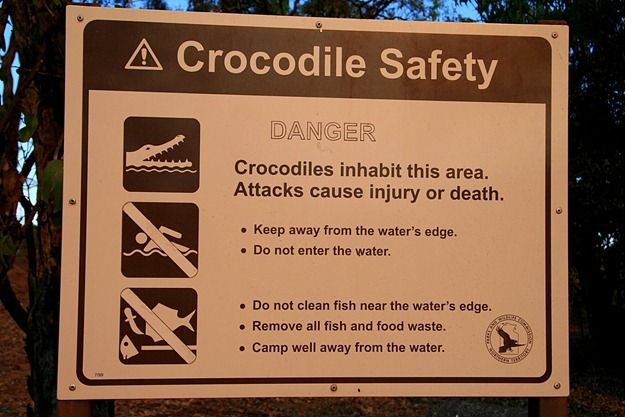
It is far more likely that you are affected by more common travellers maladies when in Australia than being attacked by one of their deadly creatures. Things like dehydration and sunburn are key to watch out for – particularly given the thinness of the ozone layer in this part of the world. Wear hats, apply sunscreen, and drink lots of water.
Other than that, Australia is no more dangerous than anywhere else in the world, with common sense precautions keeping you safe. The remoteness of some areas means that you might want to plan ahead thoroughly before setting off, with plenty of emergency supplies should something untoward leave you stranded.
Don’t forget to check out the next post in this series, which suggests a six week itinerary departing from Sydney! In the meantime, if you’ve got any thoughts on travelling in Australia, do share them in the comments below – or head on over to my Australia Tips section for more ideas!
Today’s article featured a quote from the incredible Douglas Adams novel The Hitchhiker's Guide to the Galaxy, and is reproduced here under fair use. If you haven’t read the novel, I cannot recommend you putting your life on hold and reading it enough!
Saturday, February 11, 2012
In photos: Kings Canyon, Australia

For today’s photo theme post I’m sharing with you the quite marvellous Kings Canyon in Australia’s Northern Territory.
There is a big rock not too far from here that gets a lot of attention (and deservedly so!), but if you have some time in your trip, then I cannot recommend a visit to Kings Canyon enough.
The main highlight are the incredibly weird “beehive domes”, also referred to as the “Lost City”, which are pictured above. These are the remains of incredibly ancient (up to a billion years!) sand dunes, which were compacted into sandstone and then revealed by weathering.
The best way to explore this area is on foot, via the 6km Canyon Rim walk. This takes you right up and around the canyon, offering spectacular views and seriously dizzying drops, some as high as 270m. The walk isn’t too strenuous, although there is a steep section at the start. Now, on to some more photos!

Hard to believe that this was all sand once.

Looking down the canyon itself from the rim

The canyon walls are sheer, and fences do not feature highly. These cliff walls are not stable!

Incredible fossilsed sand dunes

You can still see the ripples in the sand, frozen in time

The colours are simply incredible

The rock formations are just unbelievable.
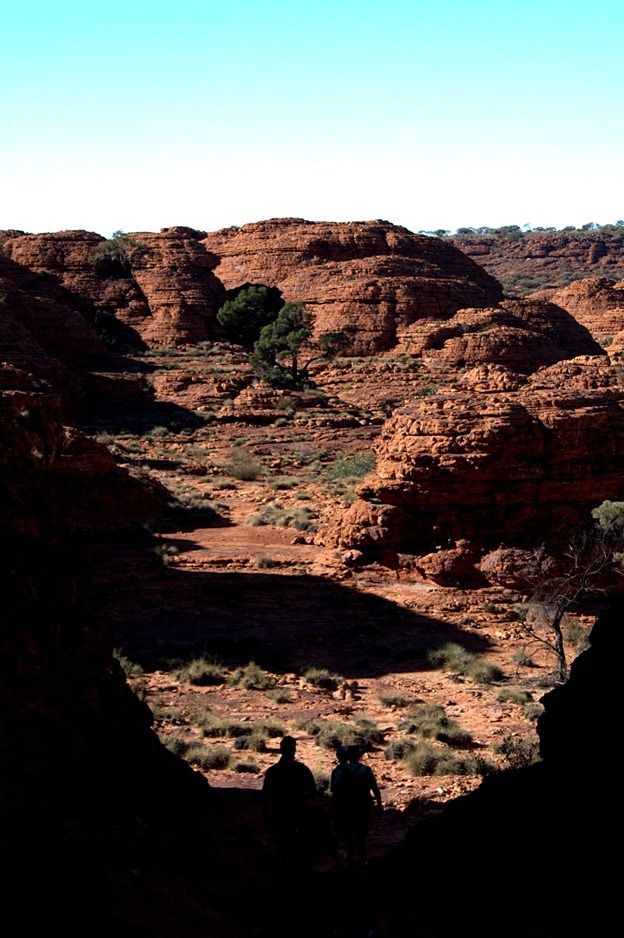
The walk is like something out of a science fiction movie.
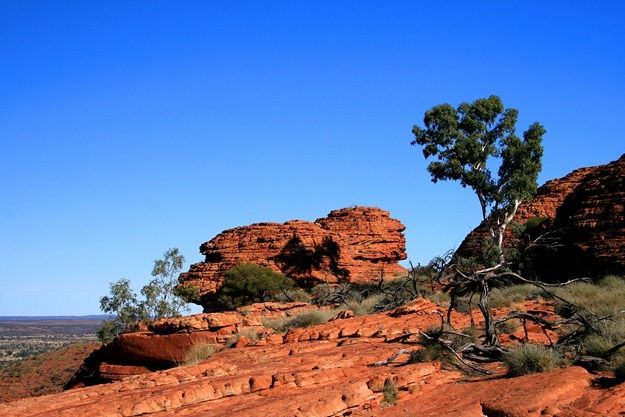
The outback scenery here is just stunning

How do these trees survive?
And that was Kings Canyon in the Northern Territory. As well as the rim walk, you can also walk inside the canyon itself, which is a much easier walk, although doesn’t have quite the spectacular views.
I hope you enjoyed today’s pictures. As always I’d love to hear your thoughts and experiences on today’s post in the comments below!
Friday, January 27, 2012
In photos: Kalbarri coastline and national park

Australia has a lot of coastline – nearly 26,000km of the stuff, according to the CIA world fact book. Driving that distance in a straight line would take you half way around the world.
Quite a lot of this coastline is spectacular. Today I’m highlighting the coastline around Kalbarri, which is about half way down the Western Australia coast, just north of Geraldton.
This stretch of coastline is reminiscent of Victora’s Great Ocean Road – and in fact, when I posted a sneak preview of these shots on my facebook page many commentators thought that this was that famous stretch of coastline.
Unlike the Great Ocean Road though, this bit of coastline is less trafficked and more isolated. As well as the coastline, there is also a beautiful interior national park featuring stunning bush scenery, gorges, and rock formations, which is worth spending some time exploring. On now, to the photos!

The beaches are home to some pretty epic waves. Surfing is big round here!

Where the rocks give way to sand, looking north along the coast.
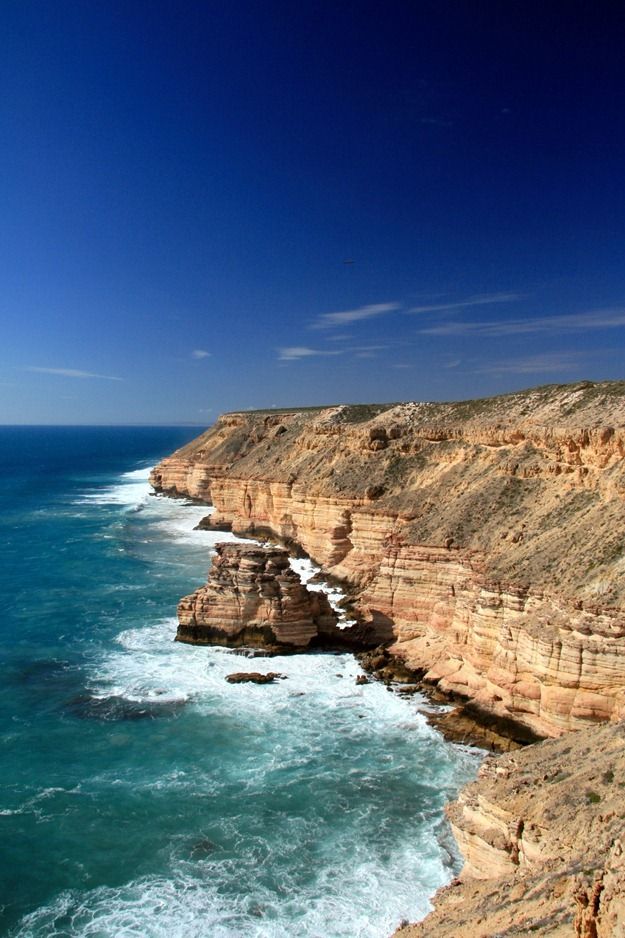
It is a bit like that ocean road!

The waves discourage casual swimming.
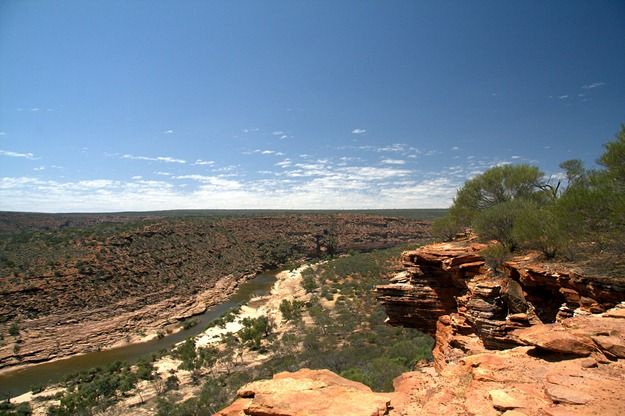
And this is the inland bit of the national park

Looking through the arch rock up the gorge
That was Kalbarri and surrounds in photos! Have you visited? There is plenty of exploring to do, and the town of Kalbarri makes a good base. As well as just seeing the sights, there are a whole bunch of walks that can be done, both along the coast and in the bush wilderness. You can get more information on this park, and lots of other WA parks, at the DEC site.
Sunday, January 22, 2012
Three stupendously awesome burgers
I would make a terrible food blogger. Here’s a post about three phenomenal burgers, and I have no pictures of any of them to share with you.
This was probably a testament to the incredible nature of these beasts – there was simply no time for pause and reflection. It was just eat or.. well. Actually, that was just it. Eat. Instead of photos I’ve used my best Paint skills in order to recreate these burgers for you.

You’ll probably notice I’m not very good at Paint.
Without further ado let me introduce my three favourite burgers from my time in Australia and New Zealand. Other countries will probably follow, once they’ve caught up to the burger making technology that our antipodean cousins have already mastered. In ascending order of greatness, I’ll start with number three… the
Vegetarian burger of Tasmania
Sweet mother of god you are probably thinking, (or sweet mother of Dawkins, if you’re of the atheist bent) the man is a fool. He’s starting off a post about burgers with a vegetarian option. Is there nothing sacred left in the world? Apparently not.

Way down in the town of Launceston on the island of Tasmania, there is a cafe. Which only serves vegetarian food. A meat based option was never going to be on the cards here. So I ordered the lentil burger, which came with a satay sauce, and was served on a bed of something leafy.
This, when it arrived, was a testament to what great vegetarian food is supposed to be. Incredible flavours, unexpectedly blended together to form a taste sensation like no other. A must. If every cow died tomorrow, I’d be safe knowing that this burger is out there as a standby until science figures out how to grow cow meat in vats. Enough now of the non meat options. Let’s move on to:
The burger with the lot
Australia was the first place in the world where I learnt that beetroot is a viable burger topping. Previous to my adventures down under, I had had no idea that such a thing was feasible, let alone edible.
In Australia, when you order a burger with “the lot”, you quite literally get a burger with pretty much everything you can imagine stuffed on top of it. Including a slice of beetroot.
My first memorable experience of such a feast was in the Western Australian town of Kununurra, (try spelling that after a couple of whiskies).

In Kununurra, having just come from a few weeks living off tinned food in the bush, it seemed only fair to try out the local delicacy. Which in this case was a burger served with the aforementioned lot.
It would be unfair to describe this burger as the largest I’ve ever had, as that honour goes to the next burger in my list. But certainly up to that point in my life, this was up there with the greats.
A mound of burger sat atop a mighty bun, sagging with the weight of accompaniments which included pickle, beetroot, fried egg, shaved carrot (they really are a bit odd in the outback), artery clogging amounts of cheese, pineapple, onion, bacon… yes. This was the sort of food that probably killed Elvis.
So how do I go about beating that? Well, only with the most amazing burger I’ve ever eaten. I introduce the, spoken of only in hushed whispers…
Fergburger
If you’ve had the pleasure of visiting Queenstown on the southern island of New Zealand, you will probably be aware of the local legend that is Fergburger.
Word of this establishment reached me during my time on the North island, some 1000km away, when I was manning a hostel reception. Travellers would ask me to recommend a local burger establishment. Usually, I’d recommend a venue, which in my mind served admirable meaty feasts, only to be asked, in soft tones, if I’d ever had a Fergburger. I would reply no. They would peer at me mournfully.

Because it turns out, no burger joint in the world, or at least, Rotorua, that I could recommend, would be able to serve up anything comparable to the Fergburger, A fact I learnt for myself when I eventually made it to the establishment in question.
There was no doubt in my mind, upon arriving at this burger joint, that I was about to experience a once in a lifetime burger. And since this was likely to be a once in a lifetime experience, I immediately ordered the largest burger available on the menu – the “Big Al”.
This thing, when it arrived, put previous burgers in my life to shame. It was home, for example, to two fried eggs. Somewhere. Competing for space in the bun with two massive slabs of burger. And bacon. And of course cheese. And onion. And Aioli. And, because New Zealand is practically Australia, beetroot. And more things. The whole thing was at least the size of my head, and jaw dislocation was looking to be a serious problem.
I did order fries to go with it. These weren’t really necessary, and I had them cold for dinner instead.
The experience was incredible. Even if I then did need a little lie down.
Those were three of my most favourite burgers from two years of careful burger sampling around NZ and Australia. Do you have a burger that you think could top these? Share away in the comments below!
Wednesday, January 18, 2012
In photos: Wolfe Creek Meteor Crater

Out in Western Australia’s remote outback is the quite remarkable Wolfe Creek Meteor Crater. This was formed as a result of 50,000 tonnes of rock (think large battleship size) crashing into the earth around 300,000 years ago.
Made infamous as a result of a 2005 horror film, the crater is an incredible sight, set in truly stunning outback scenery. It isn’t that accessible, and you’re going to want a 4WD vehicle ideally to get out there, but the wilderness you will find is totally worth the effort.
Today’s photos will hopefully give you a glimpse of what is out here, in the middle of Australia’s incredible outback next to an ancient 800 metre wide meteor crater.

The sign. In case you’d driven 800km by mistake.

The surrounding outback from the crater rim. Hills do not feature heavily.

Sunset from the crater rim. This place is both spectacular and deserted.

Looking into the 800m wide crater. You can walk around it, which takes just under an hour, and walk into it, which takes less time.

A panorama of the crater just after sunset.

And finally: the kind of sunset view that reminds me how awesome life is. The stars at night are pretty damn spectacular out here too – light pollution not featuring heavily!
So that’s the Wolfe Creek Meteor Crater. I’d recommend spending a couple of days out here just to soak it all in (and make the journey worth it!). And while you’re in WA, you should check out some of the other incredible highlights this state has to offer.


